
TREAT SLEEP APNEA MOBILE AL - SNORING APPLIANCES
SLEEP APNEA
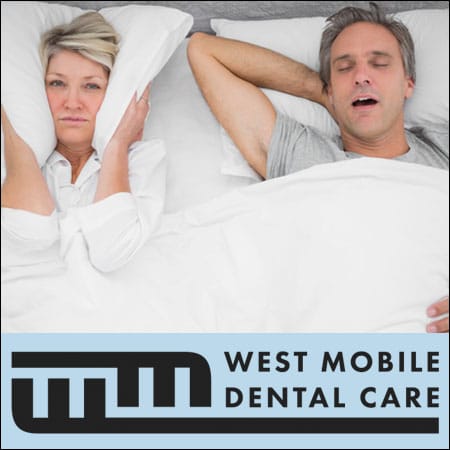
If you find it difficult to get a good night’s sleep and/or your partner lets you know that you snore, there’s a good chance that you have a sleep disorder. This disorder, in turn, is most likely sleep apnea. Sleep apnea can be anywhere from annoying to life-threatening for patients, which is why it is so important to not only determine if you have the disorder, but also seek professional treatment for it.
WHAT IS SLEEP APNEA?
During sleep, the muscles supporting the soft tissue of the throat may collapse, partially cutting off your airway, thereby preventing adequate airflow to your lungs. This common form of sleep apnea, called obstructive sleep apnea, can cause tissue vibration, which causes snoring.
Sleep apnea can also be a result of a chemical imbalance or malfunction in the brain that prevents a signal from being sent to your lungs and diaphragm to take in the oxygen that you need.
You will stop breathing for a brief period of time and may wake up short of breath or even gasping for air. This less common type of sleep apnea is called central sleep apnea. Complex sleep apnea syndrome is a mixed form of sleep apnea involving both forms of sleep ailments mentioned above. It is paramount that this form is properly treated.
WHAT ILLNESSES CAN SLEEP APNEA CONTRIBUTE TO?
Sleep apnea may not just be a mild inconvenience to your partner—it may actually be dangerous or even life-threatening. Here are some of the ways that it can negatively impact your health:
- Heart problems. Lack of oxygen while sleeping can strain your cardiovascular system—increasing your risk of hypertension (high blood pressure). Therefore, it can also increase your chance of having a heart attack.
- Fatigue. When you have sleep apnea, you may wake up multiple times a night during a very restless sleep. More than likely, you will get out of bed in the morning feeling fatigued, and your body and mind will not feel replenished. Restless sleep can make your mind foggy and decrease your attention span and concentration. A number of motor vehicle and on-the-job accidents occur do to poor sleep quality. Not to mention, this daytime fatigue can make you moody, irritable, and even depressed.
- Diabetes. As odd as it may sound, this particular sleeping illness can actually lead to insulin resistance, which can contribute to the development of type 2 diabetes.
It is extremely important to seek consultation with your physician to treat your sleep disorder in order to reduce your risks of hypertension, fatigue, diabetes, or other dangerous/life-threatening conditions.
West Mobile Dental Care is conveniently located in Mobile, AL, but proudly serves Daphne, Prichard, Montrose, Fairhope, Tillman’s Corner, and other neighboring communities.
WHAT CAUSES SLEEP APNEA?
While central sleep apnea is caused by a chemical disorder, obstructive sleep apnea may occur for a few different reasons. Luckily, with proper attention and treatment, you may be able to manage the condition in order to get a restful sleep.
Some of the causes of obstructive sleep apnea include:
-
- Overweight or Obesity. Once a person gains enough weight, fat may begin to be deposited around the upper airways of the neck, impeding their ability to breathe. With proper diet and exercise, this can be easily treated.
- Smoking. Due to the inflammation and fluid retention from smoking, it may become difficult to breathe when you try to sleep. Smokers are three times more likely to develop sleep apnea. Not only will quitting smoking help with a variety of other health issues, but it will also help manage sleep disorders over time.
- Age. Sometimes, sleep apnea is a product of aging. If this is the case, then there aren’t lifestyle changes that can be made to resolve it, and you should speak with your physician about treatment options.
- Alcohol or Drugs. Sedatives, alcohol, and/or tranquilizers can interfere with your ability to breathe properly, due to the muscles in your throat becoming too relaxed. If this is contributing to obstructive sleep apnea, you may need to cut back on—or quit—drinking.
- Genetics. Due to being male, having a thick neck (large neck circumference), or possessing a family history of sleep disorders, you may have a higher risk of developing sleep apnea. If this is the case, you will want to discuss various treatment options that may be prescribed by a doctor.
Understanding what causes sleep apnea may help you determine if you have it and what may be the best way to manage it.
HOW TO KNOW IF YOU HAVE SLEEP APNEA
While you may understand that snoring or fatigue may be signs and indications of sleep apnea, it can often be difficult to determine if you have a sleep disorder without consultation with a physician. Your doctor may recommend a sleep study to determine how much oxygen is actually present in your blood while you sleep and how many times a night you are waking up due to poor oxygen circulation.
SLEEP APNEA TREATMENTS
Sleep apnea can be treated in a few different ways. One popular option is a CPAP machine. These appliances go over your mouth and nose and force air into your lungs while you sleep. Another option is a snoring appliance you can get from the doctor that pushes the lower jaw forward and opens the airway.
Speak with your dentist to see if a snoring appliance is right for you.